FROM CONSTRUCTION TO CULTIVATION
A brief Danish lesson in contemporary “sustainability”
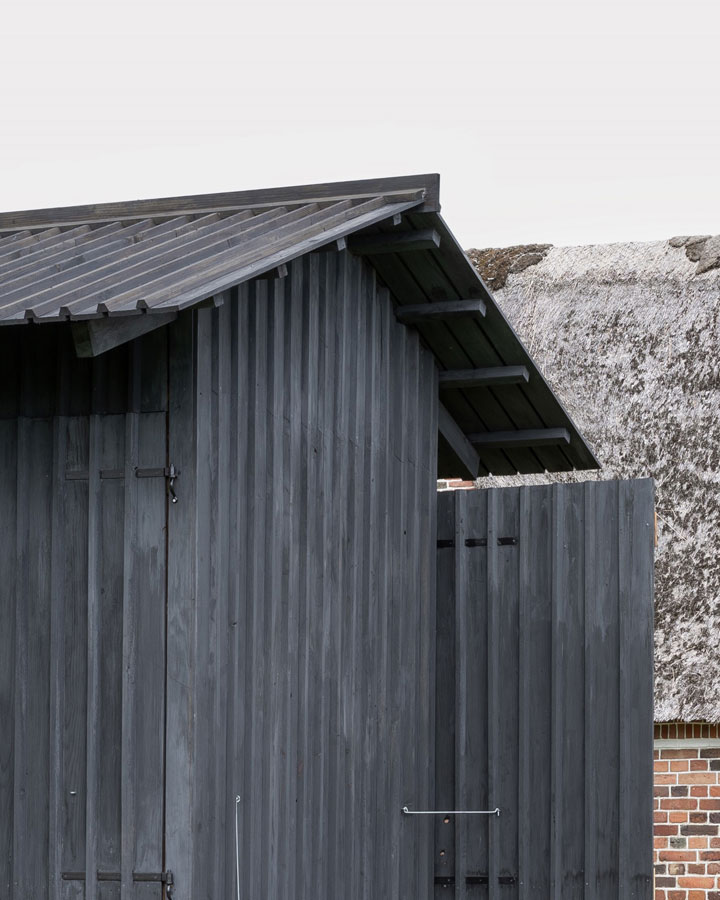
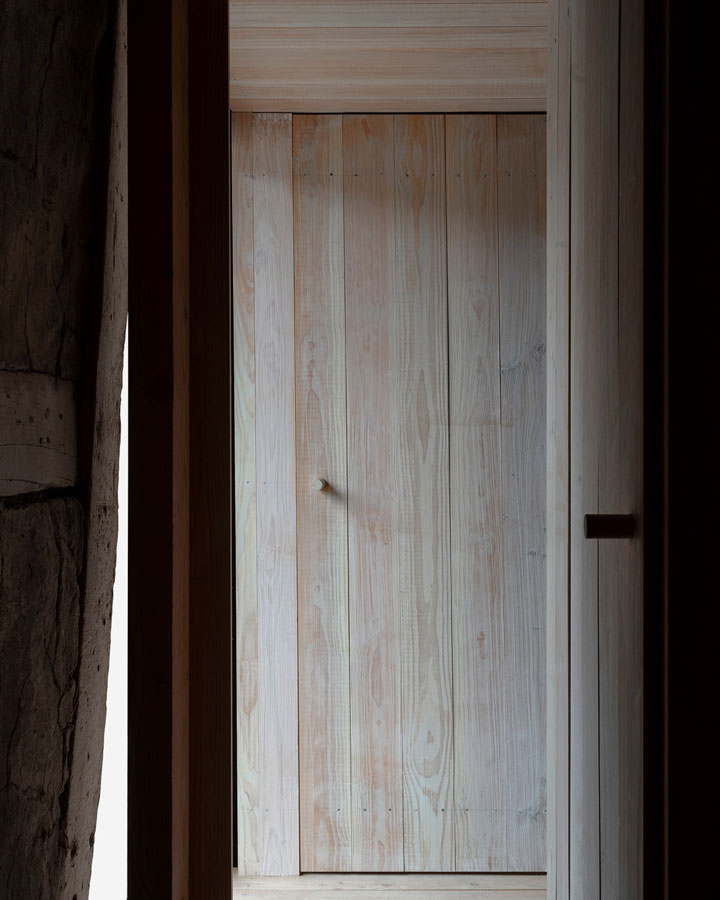
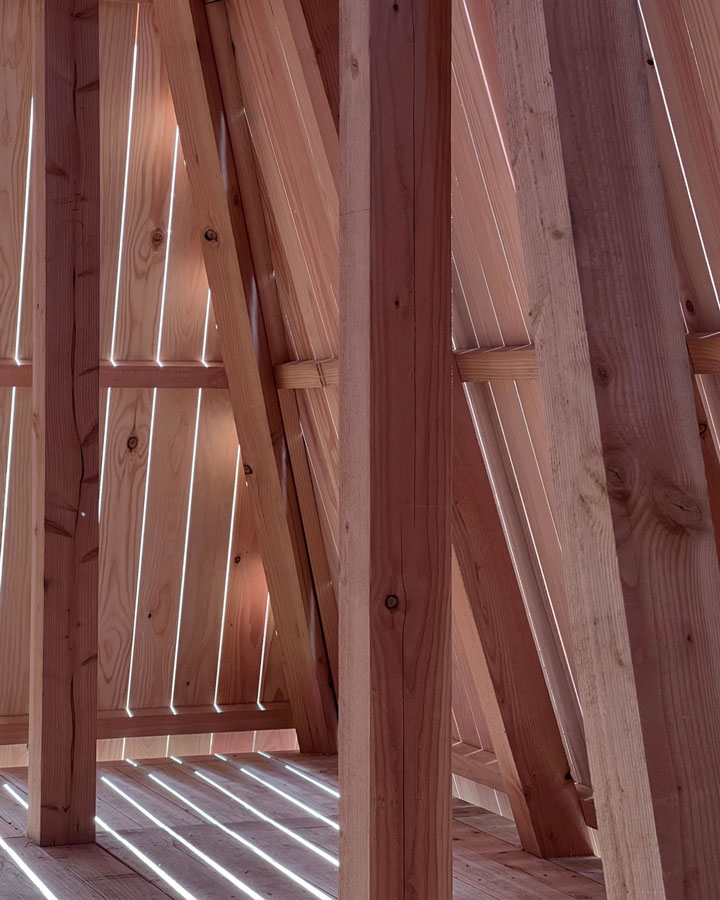
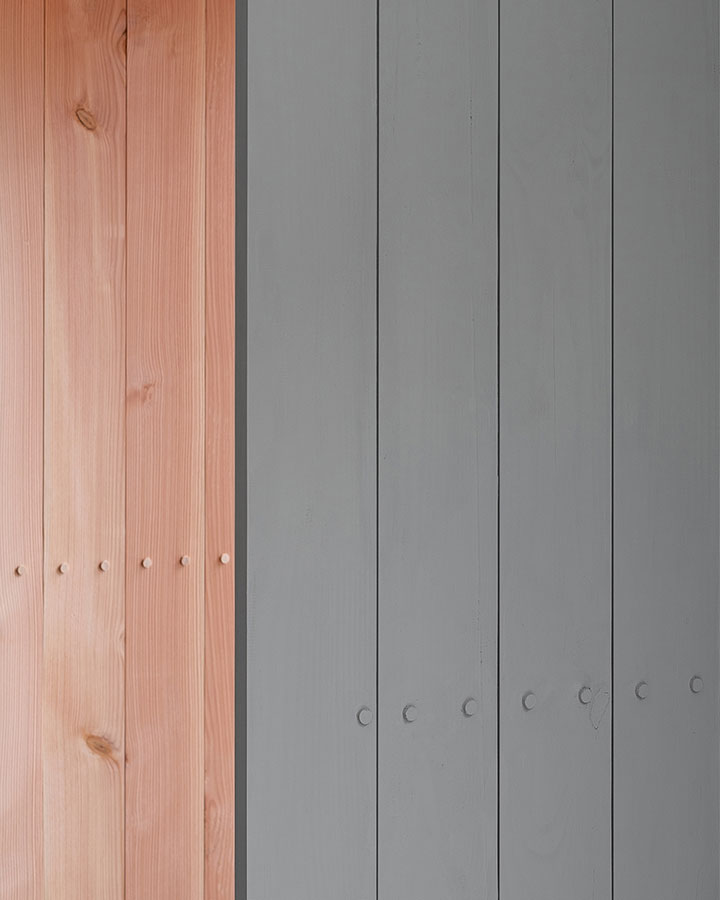
Andersen, N.B. and Julebæk, V.B. 2023. Lundager Retrofit
From Vitruvius to the present day, architecture has always been a patient process of negotiated transformation, using material resources to make construction. To meet the climate challenge, writes Nicolai Bo Andersen, we must therefore make a paradigm shift from construction to “cultivation”. Here is an overview of Danish experiences that are leading the way.
Humans transform their environment to survive. From ancient times, throwing equipment to extend the range of action is developed for hunting and carrying equipment to increase the capacity for transportation is made for bringing home goods. With the use of tool technology, materials are extracted, processed and made into things to compensate for deficiencies and enhance performance. Clearings are cut in forests to make room, soil is managed to grow crops and animals are domesticated to provide food. As described by the ancient Roman architect Vitruvius, the control of fire gave rise to assembly and deliberation prompting storytelling and sharing of ideas. Based on practical experiments, mistakes are rejected, and successes recognised as standards for future improvement. In the process, things are given a certain character to express the values and identities of the makers. Continuously negotiated, adjusted and re-created, building cultures constantly transform.
The problem is, however, that humanity have become so skilled at transforming the crust of the Earth that global anthropocentric mass now exceeds all living biomass. Millions of years old solar energy stored in the buried remains of prehistoric plants as fossil fuels has been extracted and burnt within just a few generations. As the German philosopher Peter Sloterdijk has recently pointed out, modern humans have turned into “a collective of arsonists” setting fire to the underground forests and moors. Today, human industriousness has reached a level where seven out of nine planetary boundaries are transgressed. These include not only climate change – which is the one we normally talk about. They also include novel entities1, biosphere integrity, land system change, freshwater use and biochemical flows. Exhausting the fragile ecosystem, humans have brought the planet Earth dangerously out of balance.
Representing a third of all energy-related emissions and up to half of total material consumption, the building sector represents a large part of the problem. Paradoxically, this technology of care built to shield from outside dangers and protect from the environment is also a violent contributor to resources extraction, land degradation and biodiversity loss. In this situation, the big question is, how we may rethink architecture and build in ways that do not only do less harm, but rather aims at sustaining life and regenerating ecosystems?
On “sustainability”
The concept of sustainability was coined by the Saxon tax accountant and mining administrator Hans Carl von Carlowitz in 1713 as response to the predicted scarcity at timber at the time. Recognising that natural resources are limited, he defined “nachhaltende nutzung” as the careful and sparingly use of timber to reach a balance between harvest and growth so that it could be used forever. In a world out of balance, maybe traditional building cultures understood as a carrier of knowledge concerning environmental qualities, material properties and architectural effects may inspire future sustainable actions.
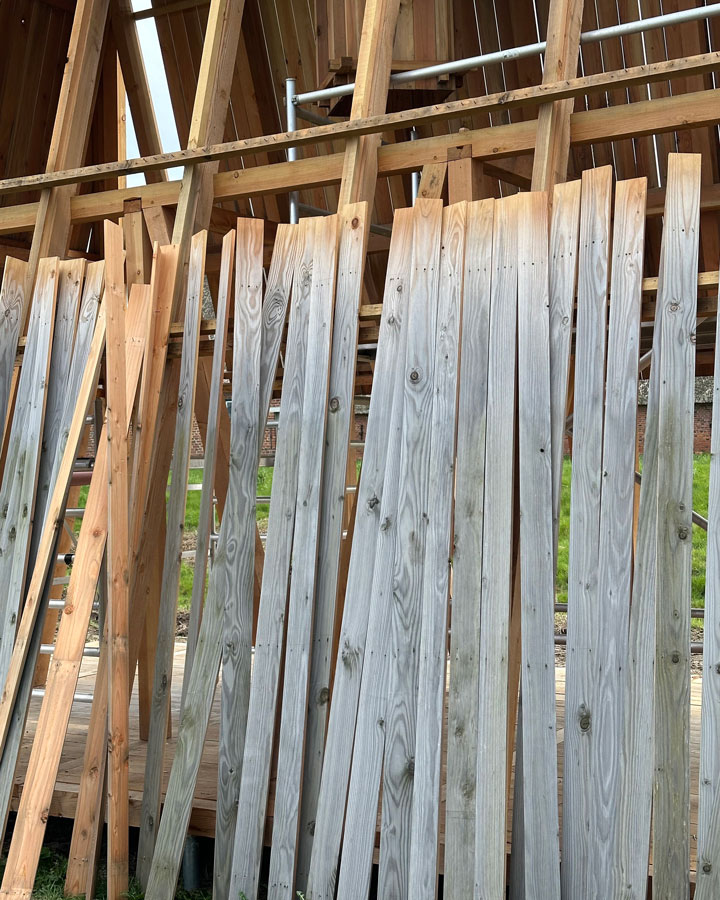
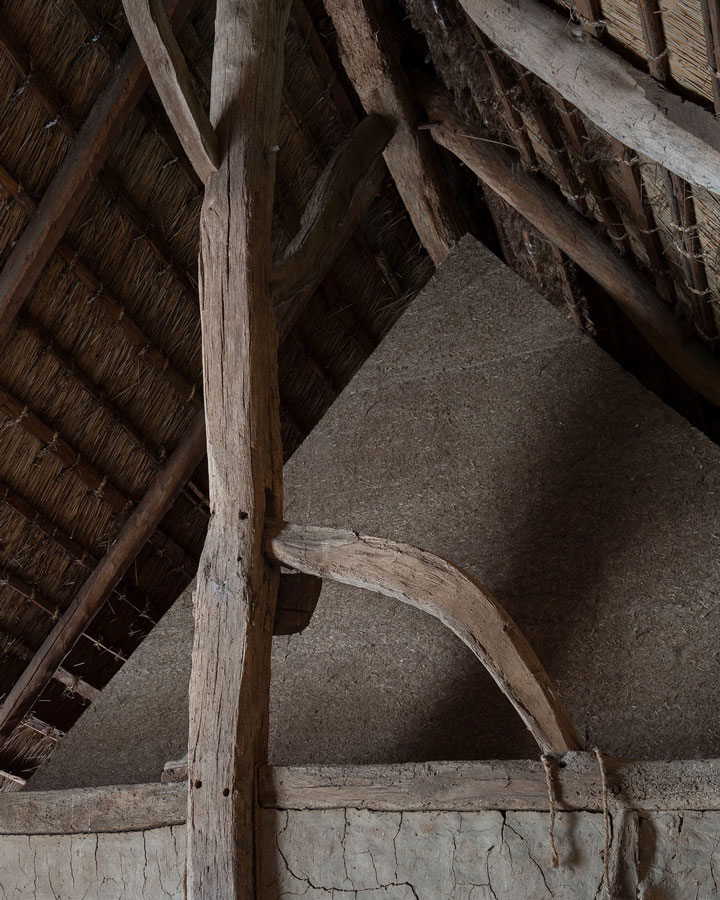
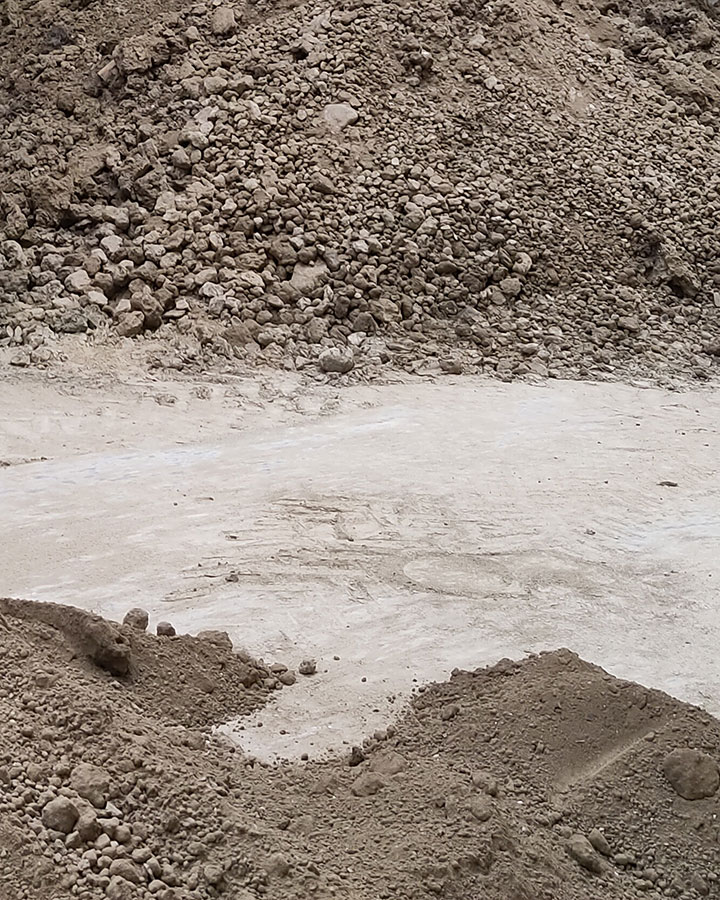
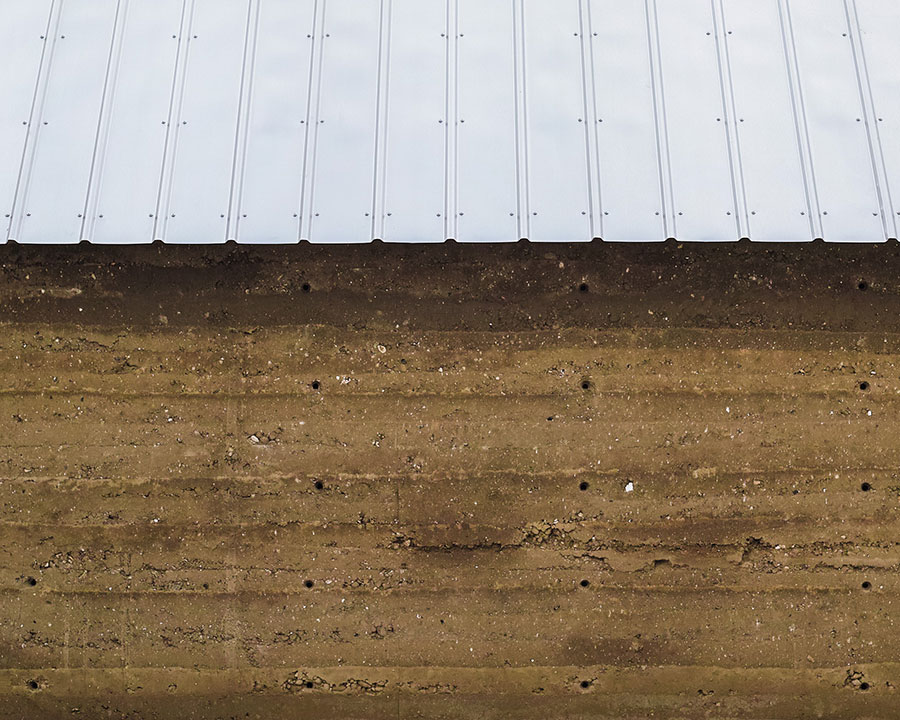
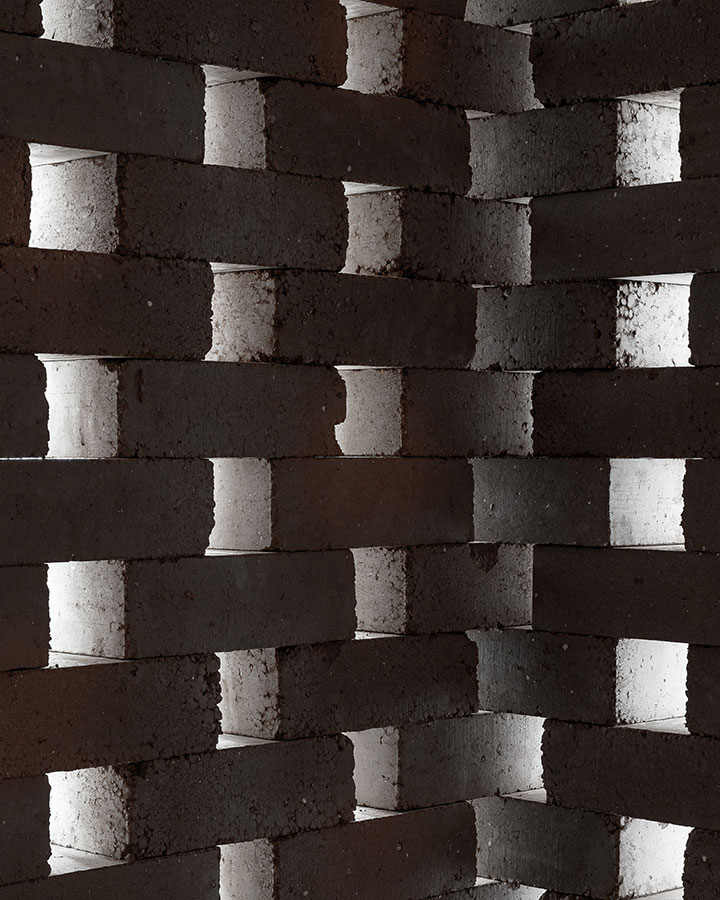
Placed at a specific location, non-pedigree buildings answer to local conditions regarding the soil composition, the incoming energy from the sun, the dominant direction of the wind and the impact of the rain. Materials such as wood, sticks, straw, stone and clay harvested in close vicinity to the building site are processed using simple technologies to enhance performance and prolong lifespan. The building components are joined according to their properties and stacked, woven and cast into enclosing structures. Basic principles such as material legibility, tectonic articulation and wood protection by design that has an immediate engaging capacity are observed to support maintenance and care. As meaningful responders to the surrounding landscape, the local materials and the intended use, traditional buildings may provide important information regarding the careful cultivation of the local oikos.
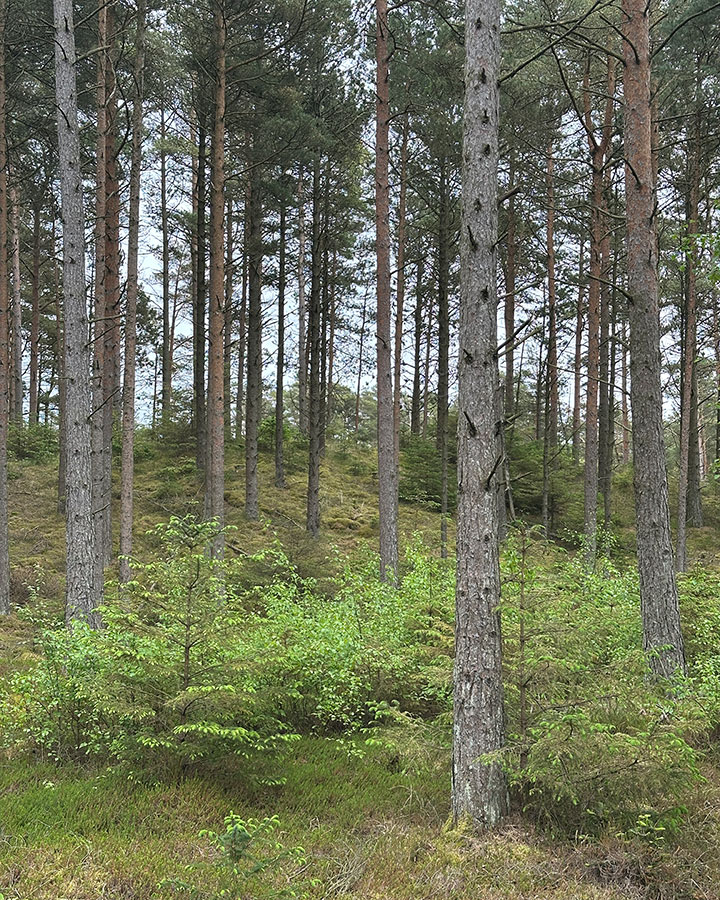
Seen in the perspective of the planetary oikos, the Earth is a closed system where energy, but not biophysical material, is exchanged with the rest of the universe. Using solar energy, plants absorb carbon dioxide and water to produce glucose to grow while releasing oxygen. This process, however, is not an argument for simply shifting from conventional to bio-based construction materials to do less harm. With only 60% of forests remaining compared to the planetary lower limit of 75% of the original forest cover, wood is a scarce resource. At the same time, humans consume approximately 30% of the energy produced by photosynthesis, where the limit is 10-20% of the biological system's net primary production.
As full decoupling of economic growth and resource consumption is not possible, initiatives for a sustainable future require not only technological improvements but also changes in consumption and social practices. Thus, a truly sustainable building culture calls for sufficiency measures aiming at avoiding the demand for energy, materials and land while securing a decent living standard for all within the planetary boundaries. A recent study suggests that even if half of all new buildings from 2026 to 2050 are made of wood and other bio-based materials, an 80% reduction in new construction is needed to stay within the safe operating space2. That means a shift in paradigm going from construction to cultivation. Rather than building new, architects in the Western world should engage in transformation practises that include optimising and improving existing buildings; reusing and adapting them to new needs; and utilising and distributing the space more just. Importantly, this involves regenerative practices that does not only reduce the ecological footprint but actively rebuilds ecosystems to get back into balance.
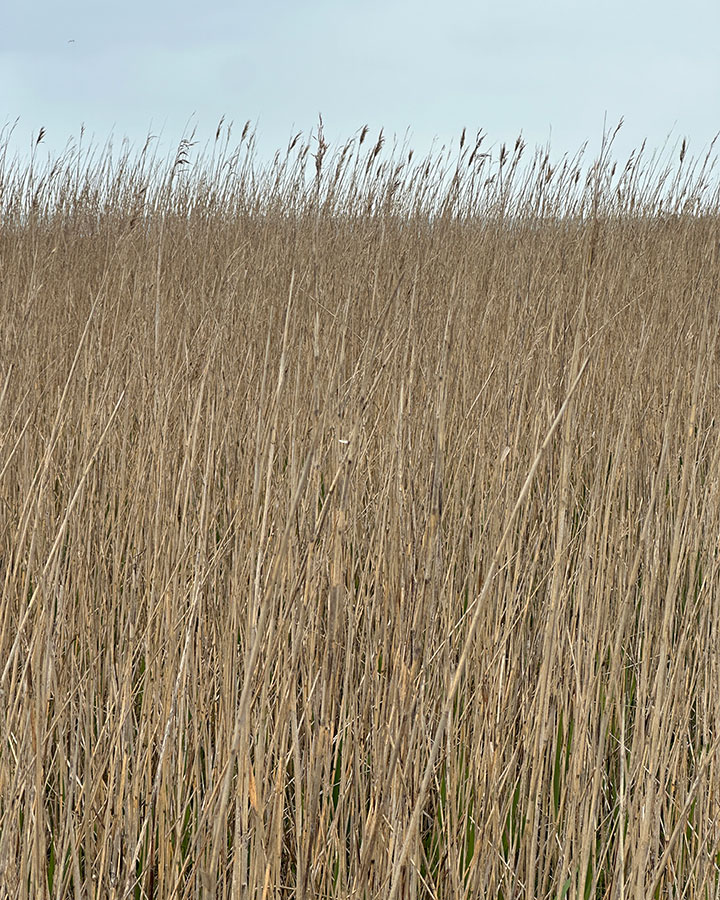
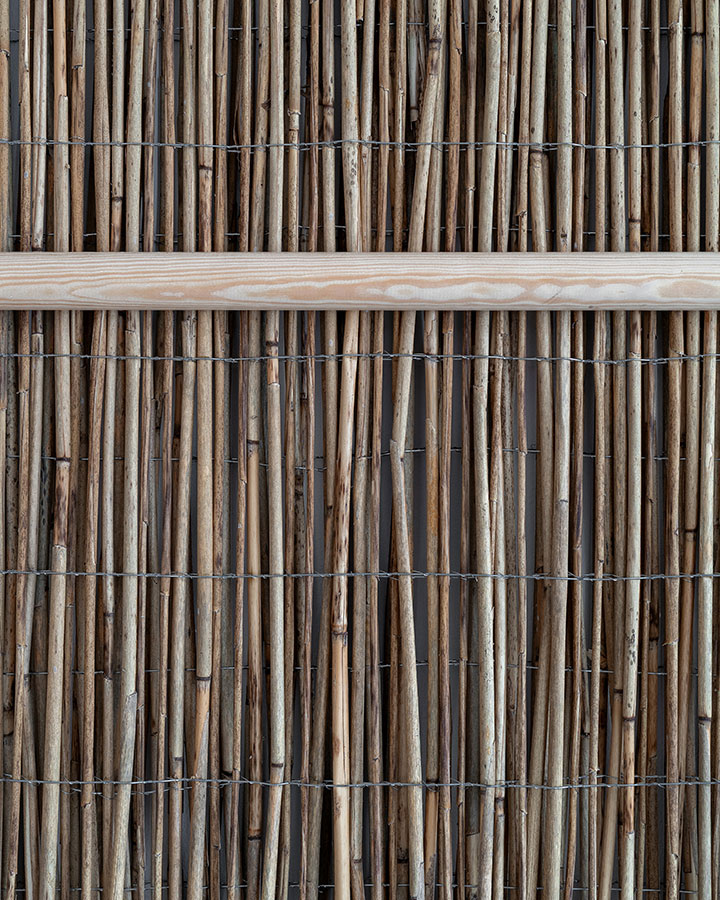
In conclusion, I propose that rather than understanding architecture as individual objects designed to look spectacular from a distance or investment commodities built to make a profit, architecture should be understood as meaningful dwelling aiming at enhancing the health of both people and planet. We need to respect the environment, consume much less and use the scarce resources with responsiveness and care. My best suggestion is to use local, fast-growing and renewable materials – such as sustainably grown reed, hemp and grass – for the gentle transformation and restoration of the buildings we already have. This should include material-environmental actions such as sequestering carbon, increasing biodiversity and improving landscape quality; architectural-aesthetic interventions such as making protection, ensuring comfort, and creating the proper mood; and social-cultural initiatives such as securing well-being, providing opportunities for people to meet, and supporting a sense of belonging – all within the secure operating space of the planetary boundaries.
Notes
1 The “new entities” that make up the 9th planetary boundary mainly concern synthetic chemical pollutants introduced into the biosphere: plastics, pesticides, heavy metals, pharmaceuticals, and other artificial compounds that cause long-term damage to ecosystems and human health. During the revision phase of this article, a seventh boundary has been breached: the Ocean Acidification boundary. [Editor’s note]
2 Horop et al, “Absolute sustainability assessment of the Danish building sector through prospective LCA”, Science of The Total Environment, Volume 966, 2025. doi.org/10.1016/j.scitotenv.2025.178780
The essay is published in: Andersen, N.B. 2025. “De construire à cultiver: digression danoise sur le concept de «durabilité».” TRACÉS 12/2025. Zürich: Espazium.
© 2025 Nicolai Bo Andersen Arkitekt